Showing posts with label Risk Management. Show all posts

PMI-RMP Salaries: Is the Investment Worth It

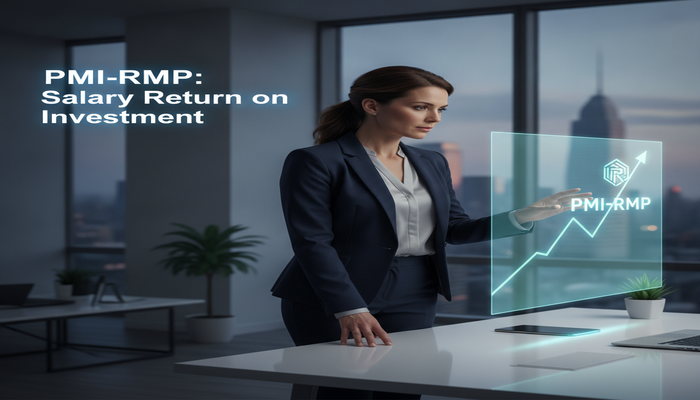
A professional woman thoughtfully analyzing an upward-trending holographic financial graph with a PMI-RMP logo, symbolizing the career and salary return on investment for the PMI-RMP certification.

Embarking on a journey to advance your career in project risk management often leads to considering specialized certifications. Among the most respected is the PMI Risk Management Professional (PMI-RMP) credential, offered by the Project Management Institute (PMI). But for many aspiring professionals, the burning question remains: Are PMI-RMP salaries substantial enough to justify the significant investment in time, effort, and financial resources required for certification?

This comprehensive guide delves deep into the world of the PMI-RMP certification, exploring everything from its core requirements and exam specifics to the real-world impact on earning potential. We will objectively assess the benefits, examine salary expectations across various industries and roles, and provide insights to help you determine if this specialized certification truly aligns with your career aspirations and financial goals. If you're pondering the value proposition of becoming a PMI-RMP, you're in the right place.

What is the PMI Risk Management Professional (PMI-RMP) Certification?

Overview of the Certification

The PMI Risk Management Professional (PMI-RMP) certification is a globally recognized credential that validates an individual's expertise in identifying, assessing, and mitigating project risks. In today's complex and volatile business environment, the ability to effectively manage risk is paramount to project success. This certification demonstrates a project manager's specialized skill set in risk management, setting them apart from general project management professionals.

The PMI-RMP credential signifies a high level of competence in all aspects of project risk management, from strategic planning and identification to analysis, response, and ongoing monitoring. It is a testament to an individual's dedication to maintaining project stability and achieving objectives in the face of uncertainty. The certification is applicable across virtually all industries, as risk management is a universal need in any project endeavor.

Who Should Consider the PMI-RMP?

The PMI-RMP is ideally suited for project managers, program managers, portfolio managers, and risk specialists who are directly involved in risk assessment, risk mitigation, and strategic risk planning. If your role frequently requires you to analyze potential threats and opportunities, develop response strategies, or contribute to an organization's overall risk posture, this certification can significantly enhance your professional standing and capabilities.

Individuals working in high-stakes environments such as construction, IT, finance, healthcare, or government projects, where the consequences of unmanaged risks can be severe, often find the PMI-RMP particularly valuable. It provides a structured framework and validated knowledge base for navigating complex project landscapes and ensuring more predictable outcomes. Ultimately, anyone seeking to specialize and excel in the critical discipline of project risk management should consider this certification.

PMI-RMP Certification Requirements and Eligibility

Before you can consider the potential financial returns of a PMI-RMP certification, understanding the initial investment in terms of eligibility is crucial. PMI sets rigorous standards to ensure that its certified professionals possess a foundational level of experience and knowledge in risk management.

Education and Experience Prerequisites

To be eligible for the PMI-RMP exam, candidates must meet specific educational and professional experience criteria. These requirements vary slightly depending on your highest level of academic achievement:

  • For candidates with a four-year degree (Bachelor's degree or global equivalent): You need a minimum of 3,000 hours of project risk management experience within the last five years AND 30 hours of project risk management education.
  • For candidates with a secondary diploma (high school diploma, associate's degree, or global equivalent): You need a minimum of 4,500 hours of project risk management experience within the last five years AND 40 hours of project risk management education.

The project risk management experience hours must be distinct from general project management experience, focusing specifically on risk-related activities. The education hours can be obtained through various avenues, including courses, workshops, or training programs offered by PMI Registered Education Providers (R.E.P.s) or other recognized training entities.

The Application Process

Once you've confirmed your eligibility, the next step is to submit your application through the PMI website. This process involves detailing your educational background and logging your project risk management experience hours. PMI may select applications for audit, requiring candidates to submit supporting documentation, such as copies of diplomas, transcripts, and signatures from supervisors or managers who can verify the reported experience. It's essential to maintain accurate records of your projects and risk management activities to facilitate this process if audited.

For detailed information on the application process and requirements, visit the official PMI-RMP page. Thoroughly reviewing these guidelines will ensure a smooth application experience and help you avoid common pitfalls. The application typically remains valid for one year, allowing you ample time to schedule and pass the exam.

The PMI-RMP Exam: What to Expect

Understanding the PMI-RMP exam format, cost, and content is vital for successful preparation and an accurate assessment of the overall investment. The exam is designed to test your comprehensive knowledge of project risk management principles and practices.

PMI Risk Management Professional Exam Cost

The PMI Risk Management Professional exam cost is a significant part of the overall investment. The fees vary depending on your PMI membership status:

  • PMI Member Price: USD $520
  • Non-PMI Member Price: USD $670

Becoming a PMI member (which typically costs around $139 annually) before applying for the exam can often lead to savings, not just on the exam fee but also on access to valuable resources and networking opportunities. Remember that these fees are for the initial exam attempt. Retake fees apply if you don't pass on your first try, making thorough preparation even more critical.

Exam Format and Structure

The PMI-RMP exam is a computer-based test administered at Pearson VUE testing centers worldwide. Here are the key details:

  • Duration: 150 Minutes
  • Number of Questions: 115 multiple-choice questions. Of these, 100 are scored questions, and 15 are pre-test questions that do not affect your score but are used by PMI for future exam development. Candidates are not informed which questions are pre-test items.
  • Passing Score: PMI does not publish a specific passing score percentage. Instead, performance is evaluated against a set standard, resulting in a proficiency level indicated as Above Target, Target, Below Target, or Needs Improvement for each domain. To pass, candidates generally need to achieve 'Target' or 'Above Target' in the majority of domains.

The exam rigorously assesses your ability to apply risk management principles in real-world project scenarios, requiring not just theoretical knowledge but also practical judgment.

PMI-RMP Exam Syllabus Breakdown

The PMI-RMP exam syllabus is structured around five key domains of project risk management, each contributing a specific percentage to the overall exam score. Familiarizing yourself with this breakdown is crucial for directing your study efforts effectively:

  • Risk Strategy and Planning: 22%
  • Risk Identification: 23%
  • Risk Analysis: 23%
  • Risk Response: 13%
  • Monitor and Close Risks: 19%

This distribution highlights the emphasis on identifying, analyzing, and strategizing for risks, which collectively account for a significant portion of the exam. A balanced approach to studying all domains is essential, but paying particular attention to the higher-weighted areas will maximize your chances of success.

Passing the PMI-RMP Exam: Scoring and Tips

Passing the PMI-RMP exam requires more than just memorization; it demands a deep understanding of risk management principles and their application. Since PMI uses proficiency levels rather than a fixed percentage, your performance across all domains matters. To maximize your chances, consider these tips:

  • Understand the PMI Mindset: PMI exams often test your understanding of "best practices" as outlined in their standards, rather than how things are necessarily done in your specific workplace.
  • Focus on Application: Many questions are scenario-based, requiring you to apply your knowledge to solve real-world risk management challenges.
  • Time Management: With 115 questions in 150 minutes, you have roughly 1.3 minutes per question. Practice answering questions under timed conditions.
  • Review Question Types: Familiarize yourself with how PMI phrases questions and common distractors.

Achieving 'Target' or 'Above Target' in the majority of domains is the goal. A strong performance in the higher-weighted domains (Risk Identification, Risk Analysis, and Risk Strategy and Planning) can be particularly beneficial.

PMI-RMP Salaries: Unpacking the Earning Potential

This is where the rubber meets the road. The primary motivation for many professionals pursuing the PMI-RMP certification is the promise of enhanced career prospects and, crucially, higher earning potential. Let's delve into what you can expect regarding PMI-RMP salaries.

Average PMI-RMP Salary Expectations

While specific salary figures can fluctuate based on numerous variables, industry reports and salary surveys consistently show that PMI-RMP certified professionals command higher salaries than their uncertified counterparts in similar project management roles. The specialized nature of risk management makes this credential particularly valuable.

Globally, PMI-RMP salaries often range significantly, with experienced professionals in senior risk management roles potentially earning well into six figures annually. Entry-level risk managers with the PMI-RMP might see a substantial boost in their initial salary offers compared to those without the certification. The exact figures are difficult to pinpoint without real-time data, but the trend is clear: certification leads to a premium.

Factors like geographical location, industry sector, years of experience, and the size of the organization all play a crucial role. For example, a PMI-RMP in a metropolitan financial hub is likely to earn more than one in a smaller city or less lucrative industry. However, the fundamental value proposition of the PMI-RMP remains strong across various contexts.

Factors Influencing PMI-RMP Salaries

Several key factors directly impact how much a PMI-RMP certified professional can earn:

  • Experience Level: As with any profession, more years of relevant project and risk management experience typically correlate with higher salaries. The PMI-RMP enhances this experience by formally recognizing your expertise.
  • Geographic Location: Salaries vary significantly by country, region, and even city, reflecting local cost of living and demand for skilled professionals.
  • Industry Sector: Industries with high inherent risks (e.g., aerospace, defense, energy, finance, large-scale IT projects) tend to offer higher compensation for risk management specialists.
  • Company Size and Type: Larger corporations or global organizations often have more complex risk profiles and bigger budgets, leading to higher salaries for their risk management teams. Consulting firms specializing in risk management also pay competitively.
  • Role and Responsibilities: A Project Risk Manager will have different salary expectations than a Senior Risk Analyst or a Director of Enterprise Risk Management, even with the same certification. The scope of responsibility and leadership duties are key determinants.
  • Additional Certifications: Holding complementary certifications, such as the PMP (Project Management Professional) or others in a related field, can further boost your earning potential by broadening your skill set and demonstrating a wider range of competencies.

These factors combine to create a dynamic salary landscape, but the PMI-RMP acts as a powerful lever, often placing you in a higher earning bracket within each category.

Comparative Salary Analysis

When considering the investment, it's helpful to compare PMI-RMP salaries with those of other project management professionals. While a PMP (Project Management Professional) certification is foundational for many project managers, the PMI-RMP offers a specialized edge. PMP holders, on average, also earn significantly more than their uncertified peers. However, a professional holding both a PMP and a PMI-RMP often commands an even higher salary due to their dual expertise in general project management and specialized risk mitigation.

Other specialized certifications, such as the PgMP (Program Management Professional) or PfMP (Portfolio Management Professional), focus on higher-level strategic management. While these also offer high earning potential, the PMI-RMP specifically targets the critical and distinct function of risk, making it a unique and valuable addition to a project management professional's credential portfolio. In roles where risk is a primary concern, the PMI-RMP often outpaces general project management certifications in specific salary increments for those roles.

Benefits of PMI Risk Management Professional Certification

Beyond the direct financial benefits of increased PMI-RMP salaries, the certification offers a multitude of advantages that contribute to a more robust and fulfilling career.

Career Advancement and Opportunities

The PMI-RMP certification is a powerful accelerator for career advancement. It opens doors to specialized roles that demand a deep understanding of risk, such as:

  • Project Risk Manager
  • Risk Analyst
  • Senior Risk Consultant
  • Enterprise Risk Management (ERM) Specialist
  • Program Risk Manager

Employers actively seek professionals who can proactively identify and manage risks, viewing them as critical assets for ensuring project success and organizational stability. The certification signals to potential employers that you possess the advanced skills necessary to safeguard their investments and navigate uncertainty effectively, leading to more leadership opportunities and upward mobility.

Enhanced Skills and Knowledge

The rigorous preparation for the PMI-RMP exam deepens your understanding of risk management methodologies, tools, and techniques. You'll gain a mastery of processes outlined in industry standards like the PMBOK® Guide and PMI's practice guides. This includes:

  • Quantitative and qualitative risk analysis techniques
  • Risk response planning (avoid, mitigate, transfer, accept, exploit, enhance, share)
  • Risk identification methods (brainstorming, Delphi technique, SWOT analysis)
  • Developing risk management plans and registers
  • Monitoring and controlling risks throughout the project lifecycle

This enhanced skill set makes you a more effective and valuable member of any project team, capable of contributing strategic insights and practical solutions to complex risk challenges. You'll move beyond reactive problem-solving to proactive risk governance.

Professional Recognition and Credibility

PMI is a globally recognized and respected authority in project management. Earning a PMI credential, especially a specialized one like the PMI-RMP, instantly boosts your professional credibility. It signifies that you have met a global standard of excellence and possess validated expertise in a critical domain.

This recognition can give you a competitive edge in the job market, distinguish you among peers, and enhance your reputation within your organization and the broader project management community. It instills confidence in stakeholders that you are equipped to handle the complexities of project risk, leading to greater trust and opportunities.

How to Prepare for the PMI-RMP Exam

Effective preparation is key to passing the PMI-RMP exam and maximizing your investment. PMI offers a wealth of resources, and a structured study plan can make all the difference.

Official PMI Study Resources

PMI provides several high-quality resources specifically designed for PMI-RMP candidates:

  • PMI® On-Demand Authorized PMI-RMP® Exam Prep: This flexible online course allows you to study at your own pace. You can find more details about this valuable resource on the PMI website.
  • Instructor-Led PMI-RMP® Exam Prep Courses: For those who prefer a structured, interactive learning environment, PMI Authorized Training Partners (ATPs) offer instructor-led courses. You can locate these courses and certified instructors through the PMI ATP finder.
  • PMI Risk Management Professional (PMI-RMP)® PMI Study Hall®: This digital product provides practice questions, mini-exams, and learning tools to help you prepare. Access this essential study aid via the PMI Store.
  • Risk Management in Portfolios, Programs, and Projects: A Practice Guide: This official PMI publication is a foundational text for understanding risk management principles. It's available on the PMI Standards page.
  • PMBOK® Guide: While not solely focused on risk, the PMBOK® Guide provides the overarching project management framework within which risk management operates. It's a critical reference available on the PMI Standards page.

Leveraging these official resources ensures your study materials are aligned with the exam content and PMI's best practices.

PMI-RMP Study Guide and Practice Questions

In addition to official resources, many candidates find third-party PMI-RMP study guides and practice questions invaluable. These resources often break down complex topics into digestible formats, offer alternative explanations, and provide extensive practice opportunities. Look for study guides that are current and aligned with the latest exam content outline from PMI.

Practice questions are particularly crucial. They help you get accustomed to the exam format, identify areas where you need further study, and improve your time management skills. Aim for a large pool of questions that cover all exam domains and simulate the difficulty level of the actual exam.

Online PMI-RMP Courses and Training Providers

Numerous online platforms and training providers offer PMI-RMP courses, ranging from self-paced video lectures to live virtual classrooms. When choosing a provider, consider their reputation, instructor credentials, and student reviews. Many provide a combination of study materials, practice exams, and support forums.

While this article focuses on the PMI-RMP, you might also be interested to explore other valuable PMI certifications that can complement your career path. A well-rounded educational strategy, incorporating diverse learning methods, typically yields the best results.

PMI-RMP Certification Career Path

The PMI-RMP certification is not just an endpoint; it's a launchpad for a specialized and rewarding career path in project and enterprise risk management. It positions you as an expert capable of tackling some of the most critical challenges organizations face.

Typical Roles for PMI-RMP Holders

Professionals with the PMI-RMP credential are highly sought after for roles that require a dedicated focus on risk. Common job titles and responsibilities include:

  • Project Risk Manager: Responsible for leading risk management activities on specific projects, from planning to monitoring and control.
  • Risk Analyst: Focuses on identifying, assessing, and analyzing potential risks and their impact.
  • Risk Management Consultant: Advises organizations on developing and implementing robust risk management frameworks and strategies.
  • Program/Portfolio Risk Manager: Manages risks across multiple related projects or an entire portfolio of organizational investments.
  • Enterprise Risk Management (ERM) Specialist: Contributes to an organization-wide approach to managing all types of risks (financial, operational, strategic, reputational).
  • Project Manager with Risk Specialization: Integrates advanced risk management techniques directly into their project leadership responsibilities.

These roles are critical in industries where project failure due to unmanaged risks can have catastrophic consequences.

Long-term Career Growth

The PMI-RMP certification lays a strong foundation for long-term career growth. As you gain more experience, your expertise in risk management can lead to senior leadership positions, such as Head of Risk Management, Chief Risk Officer (CRO), or even executive roles where strategic risk oversight is paramount. The ability to articulate and manage risk at a strategic level makes you an invaluable asset to any organization.

Furthermore, your specialized skills can be applied across various sectors, offering flexibility and resilience in your career. The demand for skilled risk professionals is projected to grow, ensuring that your PMI-RMP credential remains a highly relevant and marketable asset for years to come.

Is the PMI-RMP Worth It? A Comprehensive Evaluation

After examining the requirements, costs, benefits, and salary expectations, we return to the central question: Is the PMI-RMP certification worth the investment? The answer, while nuanced, largely points to a resounding yes for the right candidates.

Weighing the Investment Against the Returns

The investment in the PMI-RMP involves not just the exam fee and study materials but also the significant time spent on preparation and meeting eligibility requirements. However, the potential returns—in terms of higher PMI-RMP salaries, enhanced career opportunities, specialized skill development, and increased professional credibility—typically outweigh these costs.

For professionals whose career paths are directly linked to managing project or enterprise risks, or those looking to specialize within project management, the PMI-RMP offers a clear competitive advantage. It formalizes and validates a crucial skill set that is in high demand across industries, providing a tangible return on investment through better job prospects and increased earning power.

However, if your role involves minimal risk management responsibilities or you're not looking to specialize in this area, the value proposition might be less compelling compared to a broader certification like the PMP. It's about aligning the certification with your specific career trajectory and professional interests.

Renewing Your PMI-RMP Certification

To maintain the validity of your PMI-RMP certification, you must earn 30 Professional Development Units (PDUs) in risk management topics every three years. This ongoing requirement ensures that certified professionals remain current with the latest industry trends and best practices. PDUs can be earned through various activities, including:

  • Attending courses or workshops
  • Volunteering
  • Creating content (e.g., writing articles)
  • Giving presentations
  • Self-study

The renewal process is another aspect of the ongoing investment, but it's designed to ensure continuous learning and professional growth, which ultimately benefits your career and keeps your certification valuable in the marketplace.

Scheduling Your PMI-RMP Exam

Once your application is approved and you've dedicated sufficient time to study, the final step is to schedule your exam. The PMI-RMP exam is administered by Pearson VUE, PMI's global testing partner.

You can schedule your exam directly through the Pearson VUE website. It's advisable to schedule your exam well in advance, especially if you have specific date and time preferences. Ensure you review Pearson VUE's policies regarding scheduling, rescheduling, and cancellation to avoid any unexpected fees.

On exam day, remember to bring the required identification and arrive at the testing center with ample time to check in. A calm and prepared mindset will significantly contribute to your performance.

Frequently Asked Questions About PMI-RMP Salaries and Certification

1. What is the average salary increase expected after earning PMI-RMP certification?

While exact figures vary widely by region, industry, and experience, certified PMI-RMPs generally report a significant salary increase, often in the range of 10-20% or more, compared to uncertified professionals in similar roles. This premium reflects the specialized demand for their expertise.

2. How long does it typically take to prepare for the PMI-RMP exam?

Preparation time varies per individual but typically ranges from 3 to 6 months of dedicated study, depending on your existing knowledge and the intensity of your study plan. It includes reviewing official guides, attending courses, and practicing with sample questions.

3. Are there specific industries where PMI-RMP certification is more valuable?

The PMI-RMP is highly valuable across all industries, but it holds particular weight in high-risk sectors such as construction, IT, finance, healthcare, energy, and defense, where the implications of unmanaged risks can be substantial.

4. Can I take the PMI-RMP exam online?

Currently, PMI offers online proctored exams for some certifications, but candidates should always check the latest information on the official PMI website or Pearson VUE for specific options regarding the PMI-RMP exam.

5. Is the PMI-RMP certification recognized globally?

Yes, the PMI Risk Management Professional (PMI-RMP) certification is a globally recognized credential, signifying a consistent standard of excellence in project risk management worldwide. This global recognition enhances its value and portability across international job markets.

Conclusion

The PMI-RMP certification stands out as a powerful credential for project management professionals seeking to specialize in the critical domain of risk. The evidence strongly suggests that the investment in obtaining this certification is indeed worth it, particularly for those whose career trajectory involves navigating and mitigating project uncertainties. The tangible benefits, from increased PMI-RMP salaries and expanded career opportunities to enhanced skills and global recognition, create a compelling case for pursuing this specialized path.

While the journey requires dedication and financial outlay, the strategic advantage gained by becoming a certified PMI-RMP positions you as an indispensable asset in any organization. For those committed to excelling in project risk management, the PMI-RMP is not just a certification; it's an accelerator for a high-value, high-impact career. To gain further insights on the PMI-RMP certification, explore additional resources and plan your certification journey today.

What is PMI-RMP and Why Does It Matter

A focused professional in a modern control room, analyzing a holographic display that transitions from chaotic red risk data to clear, organized green pathways, symbolizing the power of PMI-RMP certification in managing project uncertainty.

In today's dynamic business environment, project success is rarely guaranteed. Unexpected challenges and uncertainties can derail even the most meticulously planned initiatives. This is where effective risk management becomes not just an advantage, but a necessity. For professionals looking to validate and enhance their expertise in this critical area, the Project Management Institute (PMI) offers a highly respected credential: the PMI Risk Management Professional (PMI-RMP) certification.

But what exactly is the PMI-RMP, and why has it become so crucial for project managers, risk analysts, and other professionals involved in project execution? This comprehensive guide will explore the ins and outs of the PMI-RMP certification, detailing its benefits, eligibility requirements, exam specifics, and effective preparation strategies. Whether you're considering a career pivot into risk management or aiming to solidify your existing expertise, understanding the PMI-RMP is your first step towards mastering project uncertainty and driving organizational success.

What is PMI-RMP?

The PMI Risk Management Professional (PMI-RMP) is a global certification offered by the Project Management Institute (PMI) that recognizes an individual's expertise in the specialized area of project risk management. It validates a professional's ability to identify, assess, respond to, and control project risks effectively, thereby minimizing threats and maximizing opportunities.

Unlike the broader Project Management Professional (PMP) certification, which covers all aspects of project management, the PMI-RMP focuses exclusively on risk management principles and practices as defined by PMI's standards, particularly those outlined in the Project Management Body of Knowledge (PMBOK® Guide). This specialization ensures that PMI-RMP credential holders possess an in-depth understanding of risk processes and techniques, making them invaluable assets to any project or organization.

A PMI-RMP certified professional demonstrates proficiency in various risk management activities, from developing risk management plans and conducting qualitative and quantitative risk analyses to implementing risk responses and monitoring overall project risk. This specialized knowledge is crucial for projects of all sizes and complexities, helping teams anticipate potential problems, develop contingency plans, and ultimately achieve project objectives more reliably.

Why Does PMI-RMP Matter? Benefits of PMI-RMP Certification

The PMI-RMP certification matters significantly for both individual professionals and the organizations they serve. For individuals, it's a testament to their specialized skill set, while for organizations, it translates into better project outcomes and enhanced strategic decision-making. Here's a breakdown of the key benefits:

Enhanced Career Opportunities and Earning Potential

  • Specialized Expertise: The PMI-RMP credential showcases a deep understanding of risk management, differentiating you from other project professionals. This specialization is increasingly sought after across various industries.
  • Increased Marketability: Employers actively look for professionals who can navigate project uncertainties. Holding a PMI-RMP makes you a highly attractive candidate for roles focused on risk analysis, project controls, and program management.
  • Higher Salary Potential: According to various industry reports, certified professionals, especially those with specialized credentials like the PMI-RMP, often command higher salaries compared to their non-certified counterparts. The PMI-RMP certification salary reflects the value placed on effective risk mitigation.

Improved Project Success Rates

  • Proactive Risk Management: PMI-RMP holders are equipped to identify potential risks early in the project lifecycle, allowing for proactive planning rather than reactive problem-solving.
  • Better Decision-Making: With a robust understanding of risk assessment techniques, certified professionals can provide more accurate data and insights, leading to better-informed strategic decisions regarding project scope, schedule, and budget.
  • Opportunity Maximization: Risk management isn't just about avoiding negative events; it's also about identifying and capitalizing on opportunities that arise from uncertainty. PMI-RMP professionals excel at both.

Professional Credibility and Recognition

  • Global Recognition: As a PMI certification, the PMI-RMP is recognized worldwide, signifying adherence to global standards and best practices in project risk management.
  • Peer Respect: Earning the PMI-RMP signifies dedication to the profession and a commitment to continuous learning, earning you respect among your peers and leadership.
  • Ethical Conduct: PMI certifications uphold a strict code of ethics, ensuring that certified professionals operate with integrity and professionalism.

Organizational Resilience and Strategic Advantage

  • Reduced Project Failure: By systematically managing risks, organizations can significantly reduce the likelihood of project delays, budget overruns, and outright failures.
  • Enhanced Reputation: Projects completed on time, within budget, and meeting objectives enhance an organization's reputation and client trust.
  • Competitive Edge: Companies with a strong contingent of PMI-RMP certified professionals are better positioned to tackle complex projects and innovate, giving them a significant competitive advantage.

Who Should Pursue the PMI-RMP Certification?

The PMI-RMP certification is ideal for professionals who have a dedicated role in project risk management or who aspire to deepen their expertise in this critical area. It is particularly beneficial for:

  • Project Managers: Those looking to specialize beyond general project management and become experts in identifying and mitigating project risks.
  • Risk Management Specialists: Individuals whose primary responsibility is to analyze, plan, and control project risks.
  • Program Managers and Portfolio Managers: Professionals overseeing multiple projects or an entire portfolio, where understanding and managing aggregated risks is paramount.
  • Project Planners and Schedulers: Those involved in developing project plans and timelines, who need to integrate risk considerations effectively.
  • Business Analysts: Professionals who analyze business needs and translate them into project requirements, often encountering various risks during the process.
  • Consultants: Experts who advise organizations on project strategies and need to demonstrate a high level of proficiency in risk management.
  • Team Leaders and Stakeholders: Anyone regularly involved in project decision-making where understanding potential impacts of risks is crucial for success.

Essentially, if your role involves dealing with uncertainty, forecasting potential issues, or developing strategies to protect project objectives, the PMI-RMP can provide the structured knowledge and credential to elevate your capabilities. To prepare for your PMI-RMP exam and explore study resources, you can find valuable information on sites dedicated to certification training.

PMI-RMP Eligibility Requirements

Before you can sit for the PMI-RMP exam, you must meet specific eligibility requirements set by PMI. These requirements ensure that candidates have a foundational level of project management experience and education, coupled with specialized experience in risk management. It's crucial to verify your qualifications against these criteria before applying.

For Candidates with a Secondary Degree (High School Diploma, Associate’s Degree, or Global Equivalent)

  • Project Management Experience: At least 4,500 hours of project risk management experience within the last 5 consecutive years.
  • Project Management Education: 40 hours of formal education in project risk management.

For Candidates with a Four-Year Degree (Bachelor’s Degree or Global Equivalent)

  • Project Management Experience: At least 3,000 hours of project risk management experience within the last 5 consecutive years.
  • Project Management Education: 30 hours of formal education in project risk management.

Key Considerations for Eligibility:

  • Definition of Project Risk Management Experience: This experience includes performing tasks within the risk management process groups (planning, identifying, analyzing, responding, monitoring risks) on projects. It doesn't necessarily have to be in a formal 'Risk Manager' title; any role where you actively engaged in these activities counts.
  • Formal Education: The required hours of education can come from various sources, including PMI Registered Education Providers (REPs), university/college courses, corporate training programs, or courses offered by professional associations. Self-study and attending general meetings do not qualify.
  • Application Process: You will need to submit an online application detailing your experience and education. PMI may conduct an audit of applications, so it's essential to keep accurate records and documentation (e.g., academic transcripts, certificates of completion for courses, project documentation).
  • Experience Overlap: Your project risk management experience does not have to be separate from your general project management experience. If you were a project manager, for example, the hours you spent specifically on risk management activities within those projects count towards the PMI-RMP requirement.

Meeting these eligibility requirements is the first critical step toward earning your PMI-RMP certification. It ensures that all candidates possess a practical foundation upon which the specialized knowledge tested in the exam can build.

PMI-RMP Exam Syllabus and Topics

Understanding the PMI-RMP exam syllabus is fundamental to successful preparation. The exam is structured around specific domains of risk management, reflecting the comprehensive knowledge and skills expected of a certified professional. These domains align closely with global best practices in project risk management.

As per the PMI-RMP exam outline, the content is divided into five core domains, each representing a crucial aspect of managing project risks. You can review the detailed PMI-RMP exam content outline provided by PMI for a comprehensive breakdown.

1. Risk Strategy and Planning (19% of Exam)

This domain focuses on the foundational elements of risk management. It covers how to plan risk management activities for a project, defining the overall approach, roles and responsibilities, budget, and schedule for risk management. Key topics include establishing risk thresholds, defining risk categories, and determining the appropriate risk strategy that aligns with organizational and project objectives.

2. Risk Identification (20% of Exam)

This domain deals with the process of determining which risks might affect the project and documenting their characteristics. It emphasizes the use of various tools and techniques to systematically identify potential threats and opportunities. This includes brainstorming, root cause analysis, SWOT analysis, expert judgment, and review of documentation, ensuring that a comprehensive list of risks is compiled.

3. Risk Analysis (23% of Exam)

Risk analysis involves prioritizing identified risks for further analysis or action by assessing and combining their probability of occurrence and impact. This domain covers both qualitative and quantitative risk analysis techniques. Qualitative analysis involves ranking risks based on attributes like probability and impact, while quantitative analysis uses numerical techniques to analyze the effect of identified risks on overall project objectives, often involving simulations and decision tree analysis.

4. Risk Response (23% of Exam)

Once risks are analyzed, this domain focuses on developing options and actions to enhance opportunities and reduce threats to project objectives. It covers various strategies for negative risks (threats) such as avoidance, transference, mitigation, and acceptance. For positive risks (opportunities), strategies include exploitation, enhancement, sharing, and acceptance. This domain also includes planning contingency reserves and fallback plans.

5. Monitor and Close Risks (15% of Exam)

This final domain involves tracking identified risks, monitoring residual risks, identifying new risks, executing risk response plans, and evaluating their effectiveness throughout the project lifecycle. It also covers updating risk registers, conducting risk audits, and using performance reports to assess the overall project risk exposure. At the project's close, it includes documenting lessons learned from risk management activities.

A thorough understanding of these PMI-RMP exam topics and their interdependencies is vital for any candidate. Effective PMI-RMP exam preparation will involve studying each domain extensively and practicing with questions that test your understanding of these concepts.

PMI-RMP Exam Format and Difficulty

The PMI-RMP exam is a rigorous assessment designed to validate a candidate's comprehensive knowledge and practical application of project risk management principles. Understanding its format and assessing its difficulty level are crucial steps in your preparation journey.

Exam Format

  • Number of Questions: The PMI-RMP exam consists of 170 multiple-choice questions.
  • Pre-test Questions: Out of the 170 questions, 20 are "pre-test" questions. These questions are randomly placed throughout the exam, are not scored, and are used by PMI to test the validity of potential future exam questions. Candidates are not informed which questions are pre-test items.
  • Scored Questions: The remaining 150 questions are scored and contribute to your overall pass/fail status.
  • Exam Duration: Candidates are allotted 3.5 hours (210 minutes) to complete the exam. This time includes a tutorial and a post-exam survey.
  • Exam Delivery: The exam is typically administered via computer-based testing (CBT) at Pearson VUE testing centers globally. Online proctored (OPT) exams are also available, allowing candidates to take the exam from their home or office.
  • Question Types: Questions are scenario-based, requiring candidates to apply their knowledge to practical project situations, not just recall definitions.

PMI-RMP Exam Difficulty

The PMI-RMP exam is generally considered challenging, primarily due to its specialized focus and the need for candidates to demonstrate not just theoretical knowledge but also the ability to apply risk management principles in complex scenarios. Here's why it's perceived as difficult:

  • Depth of Specialization: Unlike broader certifications, the PMI-RMP delves deep into the nuances of risk management. Candidates must have a thorough understanding of various tools, techniques, and processes.
  • Scenario-Based Questions: Questions often present intricate project situations, requiring critical thinking and the application of best practices to choose the most appropriate risk response or analysis method.
  • PMI Terminology: Familiarity with PMI's specific terminology and methodologies as outlined in the PMBOK® Guide (especially the Risk Management Knowledge Area) is essential.
  • Experience Application: The exam tests your ability to leverage your practical experience in combination with theoretical knowledge. This isn't just a memory test.
  • Time Management: With 170 questions in 3.5 hours, effective time management during the exam is critical. Each question allows approximately 1 minute and 14 seconds, which means quick and accurate decision-making is necessary.

Despite its difficulty, the PMI-RMP exam is highly passable with dedicated preparation, consistent study, and the use of quality PMI-RMP practice questions. Many who pass emphasize a strong grasp of the PMBOK® Guide's risk management section and extensive practice applying concepts to realistic scenarios.

PMI-RMP Exam Cost

The cost associated with the PMI-RMP exam varies depending on your PMI membership status. Becoming a PMI member can offer significant savings on the exam fee, along with other benefits such as access to PMI standards and resources.

PMI-RMP Exam Fees:

  • For PMI Members: The exam fee is typically lower for PMI members. This often includes the cost of membership if purchased together or utilized for the exam discount.
  • For Non-PMI Members: The exam fee for non-members is higher.

It's important to check the official PMI website for the most current fee structure, as these figures can change. Currently, the fees are approximately:

  • Member: $520 USD
  • Non-member: $670 USD

Re-examination Fees:

If you do not pass the exam on your first attempt, there are re-examination fees. These are also structured differently for members and non-members:

  • Member: $335 USD
  • Non-member: $435 USD

Candidates are allowed a maximum of three attempts to pass the exam within their one-year eligibility period. After three attempts or if the eligibility period expires, you must reapply and pay the full exam fee again.

Additional Costs to Consider:

  • PMI Membership: If you're not a member, consider the annual PMI membership fee (currently around $139 USD, plus a one-time application fee of $10 for new members). The savings on the exam fee often make membership a worthwhile investment.
  • Training Courses: The cost of PMI-RMP certification training, whether it's an online course, a bootcamp, or self-study materials, will be an additional expense. These can range from a few hundred dollars to several thousands, depending on the provider and format.
  • Study Materials: Books, practice exam simulators, and other study resources also contribute to the overall investment.

While the initial outlay for the PMI-RMP certification can seem substantial, it's an investment in your professional development and career trajectory, often yielding significant returns in terms of career advancement and increased earning potential.

PMI-RMP Exam Preparation: A Comprehensive Guide

Passing the PMI-RMP exam requires a structured and disciplined approach to preparation. Leveraging the right resources and strategies can significantly improve your chances of success. Here’s a comprehensive guide to PMI-RMP exam preparation:

1. Develop a Solid PMI-RMP Study Guide

Your study plan should be your roadmap. Start by thoroughly reviewing the PMI-RMP exam syllabus and the official PMI-RMP exam outline. Break down the content into manageable sections based on the five domains. Allocate study time according to the weighting of each domain and your personal areas of weakness. A typical study guide might include:

  • PMBOK® Guide: The Project Management Body of Knowledge (PMBOK® Guide) is your primary reference. Focus intensely on the Risk Management Knowledge Area, but also understand how risk interacts with other knowledge areas.
  • PMI Practice Standard for Project Risk Management: This dedicated guide provides a deeper dive into risk management processes and tools, complementing the PMBOK® Guide.
  • Supplemental Textbooks: Consider reputable PMI-RMP specific textbooks that offer practical examples and detailed explanations.

2. PMI-RMP Certification Training and Online Courses

Formal training can provide structure, expert guidance, and a peer learning environment. Options include:

  • PMI Registered Education Providers (REPs): Many authorized REPs offer PMI-RMP certification training bootcamps or workshops. These courses often satisfy the contact hours requirement and provide structured learning.
  • PMI-RMP Online Course Platforms: Numerous online platforms offer self-paced or instructor-led PMI-RMP online courses. Look for courses with good reviews, experienced instructors, and comprehensive content that covers all exam domains.
  • Corporate Training: Some organizations offer in-house training programs for their employees pursuing certifications.

3. Utilize PMI-RMP Practice Questions and Sample Questions

Practice is paramount. Engaging with PMI-RMP practice questions and PMI-RMP sample questions is critical for several reasons:

  • Familiarity with Exam Format: Practice questions help you get comfortable with the multiple-choice format, question structure, and the level of detail required.
  • Time Management: Simulating exam conditions with timed practice tests improves your ability to answer questions efficiently within the allotted time.
  • Identify Knowledge Gaps: Incorrect answers highlight areas where your understanding is weak, allowing you to focus your subsequent study efforts.
  • Application of Concepts: Since the exam is scenario-based, practice questions help you apply theoretical knowledge to practical situations.

Look for high-quality practice exams from reputable providers that mimic the actual exam's difficulty and style. Reviewing rationales for both correct and incorrect answers is just as important as answering the questions themselves.

4. Best PMI-RMP Prep Resources

Beyond official PMI publications and formal training, consider these additional resources:

  • Flashcards: For key definitions, formulas, and processes.
  • Study Groups: Collaborating with peers can provide different perspectives, clarify doubts, and keep you motivated.
  • Online Forums and Communities: Engage with other candidates and certified professionals to ask questions, share tips, and learn from their experiences.

5. How to Pass PMI-RMP Exam Strategies

  • Understand the PMI Mindset: PMI questions often have "best" answers, not just "correct" ones. Learn to think like a Project Manager following PMI's best practices.
  • Process Flow: Understand the inputs, tools & techniques, and outputs for each risk management process.
  • Formulas: Memorize and understand the application of key risk-related formulas (e.g., Expected Monetary Value - EMV).
  • Deep Dive into PMBOK Guide: While training is helpful, ultimately, the PMBOK Guide is the source of truth. Read and reread the risk management chapter.
  • Rest and Mindset: Ensure you are well-rested before the exam. A calm and focused mindset is crucial for optimal performance.

By combining a structured study plan, quality training, extensive practice, and effective test-taking strategies, you can confidently approach the PMI-RMP exam and achieve your certification goal.

Maintaining Your PMI-RMP Certification

Earning your PMI-RMP certification is a significant achievement, but it's not a one-time event. To maintain your credential and demonstrate your ongoing commitment to professional development in risk management, you must meet specific continuing certification requirements set by PMI.

The PMI-RMP credential, like most PMI certifications, operates on a three-year cycle. During each three-year cycle, you are required to earn and report 30 Professional Development Units (PDUs) in the area of project risk management. These PDUs must be balanced across the PMI Talent Triangle®: Ways of Working (Technical Project Management), Power Skills (Leadership), and Business Acumen (Strategic and Business Management).

How to Earn PDUs:

PDUs can be earned through various activities, broadly categorized into two main types:

1. Education (Minimum 8 PDUs in each Talent Triangle area, 20 overall)

  • Courses and Training: Attending courses, workshops, or seminars specifically related to project risk management or broader project management topics.
  • PMI Global Events: Participating in PMI-hosted events like Global Summits or local chapter meetings with educational components.
  • Online or Digital Media: Engaging with webinars, podcasts, or digital courses relevant to the PMI-RMP domains.
  • Self-Directed Learning: Reading articles, books, or watching videos on topics related to project risk management.

2. Giving Back to the Profession (Maximum 10 PDUs)

  • Working as a Professional: Actively performing project management or risk management tasks in your job role (capped at 8 PDUs per cycle).
  • Creating Content: Authoring articles, books, or presentations on relevant topics.
  • Presenting: Giving presentations to organizations or communities on project management or risk management.
  • Volunteering: Serving on a PMI committee or board, or volunteering for other project-related causes.

Renewal Process:

  • Report PDUs: You must report your earned PDUs through the online Continuing Certification Requirements System (CCRS) on the PMI website.
  • Pay Renewal Fee: At the end of your three-year cycle, you will pay a renewal fee. This fee is typically $60 USD for PMI members and $150 USD for non-members.
  • Maintain PMI Membership: While not mandatory to maintain the certification, maintaining your PMI membership often provides benefits, including a lower renewal fee and access to numerous PDU-earning opportunities.

By actively earning and reporting your PDUs, you demonstrate your commitment to continuous learning and staying current with the evolving best practices in risk management, thereby maintaining the value and relevance of your PMI-RMP certification.

PMI-RMP Certification Salary and Career Outlook

The PMI-RMP certification not only validates your specialized expertise in project risk management but also significantly enhances your career trajectory and earning potential. The demand for skilled risk professionals is consistently high, making the PMI-RMP a valuable asset in the job market.

PMI-RMP Certification Salary Expectations

While specific salaries can vary greatly based on factors such as geographic location, industry, company size, years of experience, and other certifications held, PMI-RMP certified professionals typically command higher salaries than their non-certified counterparts. This is consistent across most PMI certifications.

  • Global Perspective: According to PMI's 'Earning Power: Project Management Salary Survey' and similar industry reports, holding a specialized certification like the PMI-RMP correlates with a notable increase in salary. This premium is often seen across various levels of experience, from mid-career professionals to senior-level managers.
  • Value of Specialization: Companies are willing to pay more for individuals who can specifically address and mitigate risks, thereby protecting project investments and ensuring successful outcomes. This specialized skill set directly impacts an organization's bottom line.

It's reasonable to expect a significant uplift in your compensation, often in the range of 15-25% or more, compared to professionals without the PMI-RMP who are in similar general project management roles. The investment in the certification quickly pays for itself through increased earning power.

Career Outlook and Roles

The career outlook for PMI-RMP credential holders is robust, driven by the increasing complexity of projects and the growing recognition of risk management as a strategic imperative. Organizations across all sectors—from IT and construction to finance and healthcare—are seeking experts who can navigate uncertainty.

Typical roles that benefit from or specifically require PMI-RMP certification include:

  • Risk Manager/Analyst: The most direct path, focusing on leading risk identification, analysis, and response planning for projects and programs.
  • Project Manager: For project managers, the PMI-RMP adds a crucial layer of expertise, making them more effective at managing complex, high-stakes projects.
  • Program/Portfolio Risk Manager: Overseeing risk across multiple projects or an entire portfolio of initiatives.
  • Project Controls Specialist: Integrating risk management with scheduling, cost control, and other project control functions.
  • Business Analyst: Identifying and assessing risks associated with business requirements and solutions.
  • Consultant: Providing expert advice on risk management strategies and implementation to various clients.

The demand for risk-aware professionals is not diminishing; rather, it is growing as businesses operate in an increasingly volatile, uncertain, complex, and ambiguous (VUCA) world. The PMI-RMP positions you as a key player in ensuring organizational resilience and successful project delivery. To explore other certification insights that can further boost your career, consider looking into diverse professional development resources.

Beyond Risk Management: Related Certifications

While the PMI-RMP focuses specifically on risk, PMI offers a suite of certifications that can complement your risk management expertise, broaden your skill set, and open up even more career opportunities. Understanding how these certifications fit together can help you plan a comprehensive professional development path.

PMI Project Management Professional (PMP)®

The PMP is the most widely recognized project management certification globally. It validates your ability to lead and direct projects across all phases. While the PMI-RMP delves deep into one knowledge area, the PMP offers a holistic view of project management. Many professionals pursue their PMP first and then specialize with the PMI-RMP, or vice-versa, depending on their career focus. Holding both signifies a very well-rounded and specialized project professional.

PMI Agile Certified Practitioner (PMI-ACP)®

With the increasing adoption of Agile methodologies, the PMI-ACP certification validates your knowledge of Agile principles and practices. For professionals managing projects in dynamic, fast-changing environments where risks often emerge rapidly, combining PMI-RMP with an Agile certification like the PMI-ACP certification details can be incredibly powerful. It shows adaptability in risk management across different project methodologies.

PMI Program Management Professional (PgMP)®

For those managing multiple related projects in a coordinated way to gain benefits not available from managing them individually, the PgMP is suitable. Managing risk at the program level requires a different strategic perspective, making the PMI-RMP a strong foundation for aspiring PgMP holders.

PMI Portfolio Management Professional (PfMP)®

The PfMP credential recognizes advanced experience in the coordinated management of one or more portfolios to achieve organizational strategies. At this strategic level, risk management involves evaluating enterprise-wide risks and opportunities, making the specialized knowledge from the PMI-RMP highly relevant for portfolio managers.

By strategically combining the PMI-RMP with other PMI certifications, you can build a robust professional profile that demonstrates both breadth and depth in project and program management, tailored to your career aspirations and the demands of the modern workplace.

Frequently Asked Questions (FAQs)

1. How long does it take to prepare for the PMI-RMP exam?

Preparation time for the PMI-RMP exam varies significantly based on your existing experience, study habits, and the intensity of your study plan. Generally, candidates report needing anywhere from 2 to 6 months of dedicated study. This typically involves hundreds of hours of reading the PMBOK® Guide and the Practice Standard for Project Risk Management, attending a PMI-RMP certification training course, and extensive practice with PMI-RMP practice questions. A consistent schedule of 10-15 hours per week is often recommended.

2. Is the PMI-RMP certification worth it?

Yes, for professionals serious about advancing their career in project risk management, the PMI-RMP certification is highly valuable. It provides a globally recognized credential that validates specialized expertise, enhances career opportunities, often leads to a higher PMI-RMP certification salary, and improves project success rates for organizations. In an increasingly uncertain business world, the ability to effectively manage risk is a critical skill set in high demand.

3. Can I take the PMI-RMP exam online?

Yes, PMI offers the option to take the PMI-RMP exam online through a proctored environment (Online Proctored Testing - OPT). This allows you to take the exam from the convenience of your home or office, provided you meet the technical and environmental requirements (e.g., a quiet space, reliable internet connection, webcam). Alternatively, you can also take the exam at a physical Pearson VUE testing center.

4. What is the difference between PMP and PMI-RMP?

The PMP (Project Management Professional) is a broader certification that covers all ten knowledge areas of project management, validating a professional's ability to lead and direct projects. The PMI-RMP (Risk Management Professional), on the other hand, is a specialized certification that focuses exclusively and deeply on the processes, tools, and techniques of project risk management. While the PMP covers risk management as one aspect, the PMI-RMP provides an in-depth, expert-level understanding of this critical domain, making it ideal for those who want to specialize in risk.

5. What are the best PMI-RMP prep resources?

The best PMI-RMP prep resources typically include the official PMI publications: the PMBOK® Guide and the PMI Practice Standard for Project Risk Management. Additionally, enrolling in a high-quality PMI-RMP certification training course (especially from a PMI Authorized Training Partner), utilizing reputable PMI-RMP practice questions and exam simulators, and engaging in study groups are highly recommended. Many candidates also find value in supplementary textbooks written specifically for the PMI-RMP exam, which help translate theoretical knowledge into practical understanding.

Conclusion

In an era where project success hinges on the ability to navigate uncertainty, the PMI-RMP certification stands as a beacon for professionals dedicated to mastering project risk. This credential is far more than a badge; it's a testament to your specialized skill in identifying, analyzing, responding to, and monitoring risks, thereby safeguarding project objectives and creating value for your organization.

By investing in the PMI Risk Management Professional certification, you not only elevate your personal career trajectory with enhanced opportunities and a competitive PMI-RMP certification salary but also equip yourself with the crucial expertise needed to steer projects through unforeseen challenges. Whether you're a seasoned project manager seeking specialization or a rising professional aiming to solidify your risk management acumen, the PMI-RMP offers a clear path to becoming an invaluable asset in any project environment.

Embrace the challenge, dedicate yourself to thorough PMI-RMP exam preparation, and unlock a future where you lead with confidence, transforming potential threats into strategic opportunities. For further insights on certification paths and resources, remember to visit our blog regularly.

PMI-RMP Exam Tips | PMI-RMP Certification Benefits

PMI-RMP, PMI-RMP Exam Questions pdf, PMI-RMP Certification, PMI-RMP Exam, PMI-RMP Practice Test, PMI Risk Management Professional, Risk Management Professional, Risk Management

What Is the PMI-RMP Certification?

The PMI Risk Management Professional (PMI-RMP) is one of the eight PMI certifications. Individuals with this certification maintain specialized knowledge and expertise in planning for risk management, identifying risks, assessing risks, developing and implement risk responses, and monitoring risks.

PMI has developed the PMI Risk Management Professional (PMI-RMP) exam, which caters to a Risk Management Professional (PMI-RMP) need to recognize the Risk Manager’s expertise to identify project risks and mitigate threats given the best of available opportunities. The PMI-RMP certification exam is considered a vital component of the activities leading to earning a professional credential; thus, the PMI-RMP examination must accurately reflect the practices of the project risk management professional. Moreover, this certification enhances your earning potential as the PMI Risk Management Professional (PMI-RMP) Salary is higher than uncertified professionals.

This PMI-RMP Certification has its main focus on Project Risk Managers. This PMI-RMP certification will prove to the project managers that they have the coveted skill and can easily apply all the principles and tools of risk management in their projects.

Preparation Strategy for PMI-RMP Certification Exam

  • Firstly, you are asked to prepare a study plan of when, where, and what you will study.
  • Secondly, you should manage your exam preparation as a Risk Management where there would be, in general, three months for the PMI-RMP exam.
  • Thirdly, reading the Handbook entirely at least twice and make relevant notes.
  • Fourth, you should review the PMI-RMP Exam Content Outline.
  • The next move would be to know the different sources to study and prepare based on the PMBoK guide but more informative.
  • You must also choose a proper study format as you would require, Hard copy, e-book, online course, exam simulation, etc.
  • Next, you might form study groups or join the PMI chapter and network with other candidates for the PMI-RMP exam.
  • Later you could change and revisit the areas where you are going to want more clarity.
  • Further, it would be best if you audited your progress by commencing mock exams. It would be best if you aimed to score an 80% range at least.
  • Then, you should review your answers exactly to learn from your correction and have a good score in the annual exam.
  • You are also expected to schedule the exam in progress to set your goal, and your works would be directed appropriately.
  • Next, you must write the exam when you would be sure and do not just give the exam to make it out of your way.
  • Developing a plan based on your strengths and weaknesses would be a great idea to attempt different questions to avoid wasting time and effort.
  • Moreover, Questions are expected to be treated as real risk management situations, and identifying the elements would be required for producing required information, output, or result.
  • Finally, while answering the questions, you should review the questions entirely and abstain from any second-guessing.

Why Should You Consider the PMI-RMP Certification?

A few years back, PMP certification holders were rare, and organizations were happy to have them. These days, organizations are becoming more careful. Project failure is a very costly affair, and they require to avoid it at all costs. Therefore, they favor PMI-RMP Certification holders over non-PMI-RMP certification holders to handle risks in their projects.

There are various reasons for a project manager to obtain the PMI-RMP Certification. They include but are not limited to:

  • Increase career opportunities
  • Improve professional status
  • Increase salary
  • Boost your knowledge and expertise
  • Improve project success rates
  • Help organizations with risk management

PMI-RMP Certification Benefits

  • To help your organization with risk management, top to bottom. Risk management always includes identifying, evaluating, responding to risks, and monitoring risks. Furthermore, these processes may be applied at various levels of an organization - enterprise, departments or business units, portfolios, programs, and projects.
  • To increase your career opportunities. If you have been in the project management job market lately, you have seen a high percentage of employers regarding certified project managers. Having an additional certification gives project managers a broader range of opportunities – it is like having a double major. Most noteworthy, employee satisfaction surveys report that certified project managers enjoy higher salaries than uncertified project managers.
  • To sharpen your saw. Life gets stale when we are not learning new things. Likewise, attempting the PMI-RMP was a challenging and rewarding journey that served me to grow professionally.

  • To boost your knowledge and expertise. Any time we invest in ourselves by concentrating on our profession is time well spent. Consequently, we are going to get better at what we do. Studying and applying risk management principles has served me to learn practical tips, tools, and techniques.

Summary

The PMI-RMP certification is the most renowned in risk management, and possessing it validates your experience and knowledge. This certification improves your skills and makes you more employable. I recommend you apply for the PMI-RMP Certificate if you are involved with risk management.

Why Keeping PMI-RMP Risk Management Professional Certification?

PMI Risk Management Professional Exam, PMI Risk Management Professional Certification, PMI-RMP Exam, PMI-RMP, PMI-RMP Certification, PMI-RMP Questions, Risk Management Professional, Risk Management Professional Certification, PMI Risk Management Professional

Individuals who hold PMI’s Risk Management Professional PMI-RMP credential provide expertise in the specialized area of evaluating and identifying project risks and preparing plans to alleviate threats and gain on opportunities. This global credential recognizes individuals who strengthen and support project management by offering project risk management knowledge.

To be available for a PMI-RMP credential, you must meet particular guidelines that accurately measure experience, education, and professional experience. You also must agree to adhere to the PMI Code of Ethics and Professional Conduct and pass a severe multiple-choice examination that evaluates your skills in project management.

Who Should Apply?

Project team members with expertise in project risk management.

Steps to Getting a PMI-RMP Risk Management Professional Credential

  • Create an online application or download an application and submit it via mail.
  • If you meet the qualification requirements, you will receive an e-mail describing how to schedule the examination.
  • Individuals who succeed a credential from PMI will be added to PMI's Online Credential Registry and may now use the credential designation after their name.

Eligibility

All project management experience submitted for the PMI-RMP must have been collected within the last five consecutive years before your application submission.

1. With a Bachelor’s Degree or the Global Equivalent:

  • Applicants must have at least 3,000 hours spent in the specific area of risk management professional within the last five continuous years. Candidates must also have 30 contact hours of formal education in the technical scope of project risk management.

OR

2. Without a Bachelor’s Degree or the Global Equivalent:

  • Aspirants must have at least 4,500 hours spent in the specific area of professional project risk management within the last five continuous years. Applicants must also have 40 contact hours of formal education in the technical scope of project risk management.

The PMI-RMP Credential Examination

This three and one/half hour examination comprises 170 multiple-choice questions consisting of 150 scored questions and 20 Pretest (unscored) questions. The official exam application is a Computer-based testing model; however, you can obtain paper-based testing under limited conditions if requested.

The PMI-RMP examination questions are developed and certified by global workgroups of project risk management practitioners and are monitored through psychometric analysis.

The Benefits of Getting PMI-RMP Certification

There are several benefits of getting PMI-RMP certification as below:

  • It covers all fundamental aspects of Project Risk Management as it focuses on all the points from an exam perspective.
  • PMI-RMP Certification helps you to demonstrate your skills to your employer, peers, and customers.
  • It helps you to increase your salary.
  • It aids you in finding more job opportunities by adding new credentials to your resume.
  • It helps to improve your credibility.
  • It helps you to understand your project management skills worldwide.
  • It serves to enhance the skills and display your ability to handle challenging projects.
  • It makes you officially accredited as a certified professional.
  • It increases the possibilities of being internationally recognized.

Risk Management Professional PMI-RMP: Key Responsibilities

Job responsibilities vary time-to-time, from companies to companies and role-to-role. A host of job roles involve risk analyst, risk manager, risk management consultant, risk control supervisor, director of corporate risk management, and chief risk officer.

Even though overall responsibilities are listed below:

  • Finding risk areas and complete them in the company to determine the risks.
  • Checking and analyzing the organization’s transactions, internal reports, and financial information for potential risks.
  • Keeping reports of essential risks and best practices.
  • Drafting policies, actions, and control measures to address identified risks.
  • We are evaluating the readiness of the internal control framework of the organization in dealing with risks.
  • Training support workforce on risk management strategies and programs.

To accomplish these responsibilities, you must have competencies covering risk assessment, internal control, corporate governance, IT security, and soft skills such as communication, problem-solving, leadership, interpersonal, organizational, and many other transactional skills.

Risk Management Professional Salary and Career Growth

The salary of risk managers who hold Certification is 95000-135000 USD, while for non-certified, it is 72000 to 115000 USD.

Since it is a hot job, the career prospects are high for risk management professionals. They can step up the career ladder in a few years and get a lucrative payout.

The demand for risk managers has seen momentum after the COVID-19 outbreak. Many organizations are caught under severe financial and organizational risks to run their operations by complying with the health safety guidelines. However, skilled risk directors are less to fill the demand.